A science and engineering startup from Ukraine

We create robotic systems and open source DIY projects, that make modern engineering accessible to everyone who wants to build and create.
We believe: when a person assembles their first robot, they gain a new vision of the future

our mission

our mission is to give everyone ability to
create robots
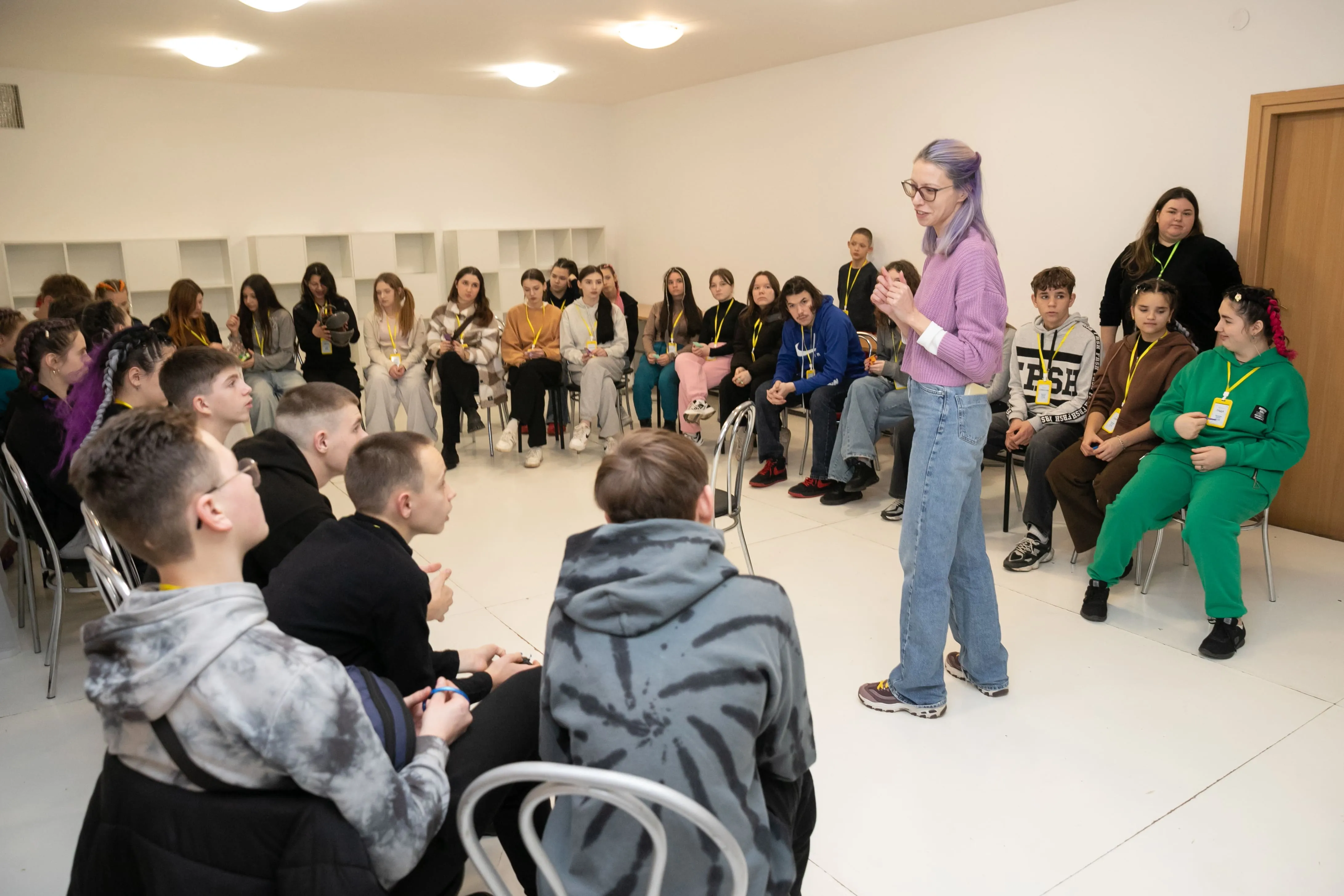
We aim to demonstrate to kids, educators, and creative communities that engineering can be accessible, engaging, and capable of transforming the world.
THAT’S WHY WE DEVELOP DIY TOOLS, PROTOTYPES, AND MATERIALS THAT ALLOW YOU TO START SMALL AND THEN GO DEEPER: BUILD, TEST, EXPLORE.

What we do

Create robotic systems and prototypes

Develop open DIY platforms

Combine engineering, design, and education

Build a STEM community

Create robotic systems and prototypes

Develop open DIY platforms

Combine engineering, design, and education

Build a STEM community

our flagship product is

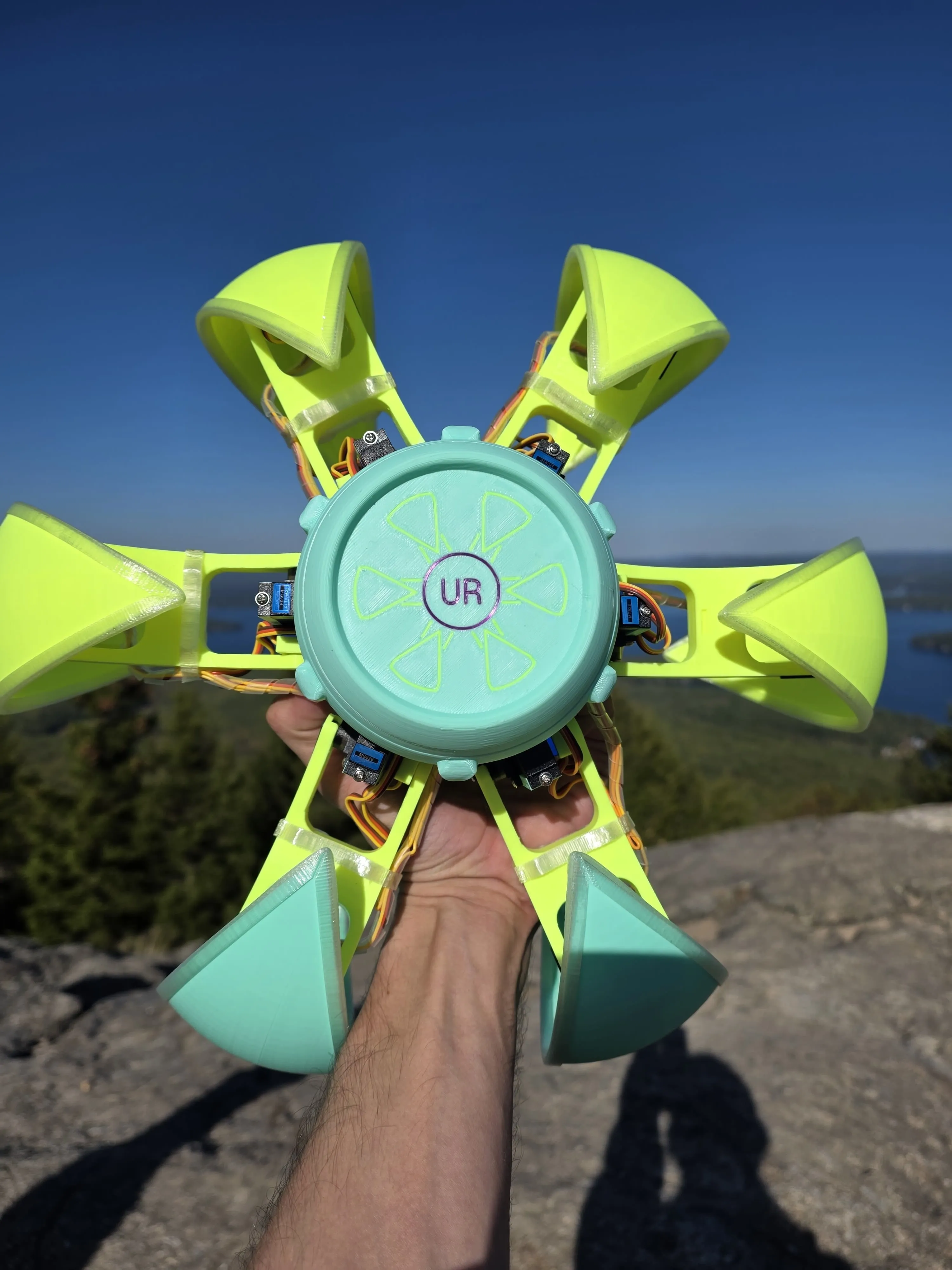
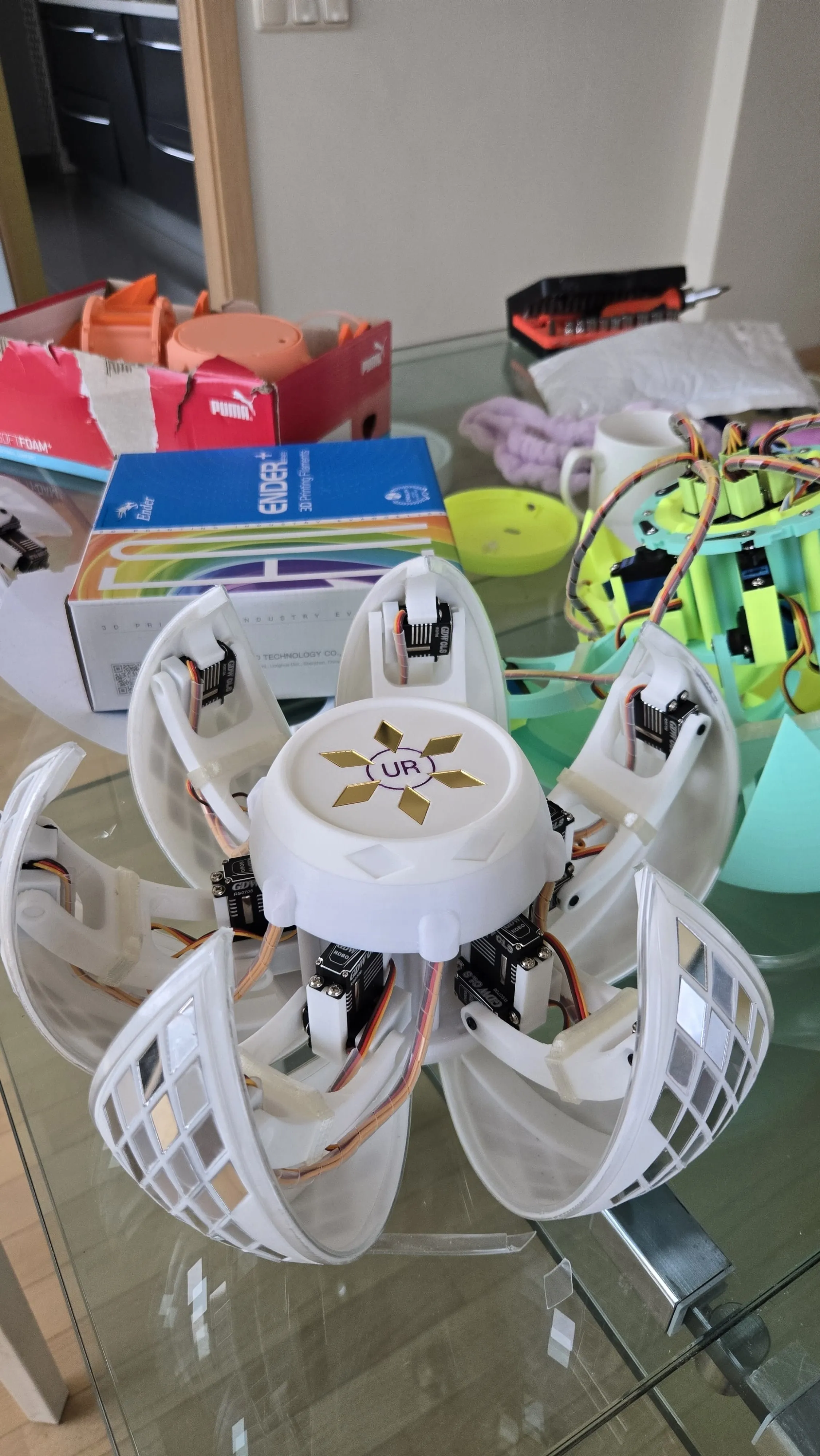
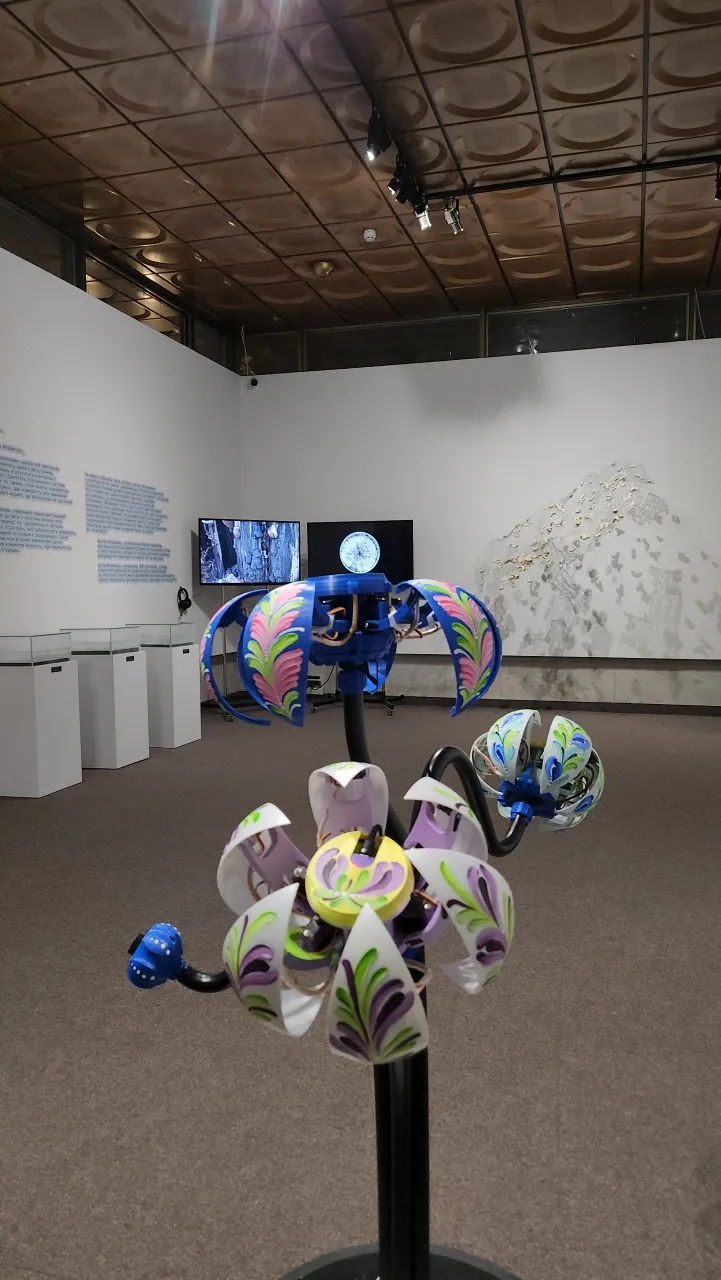
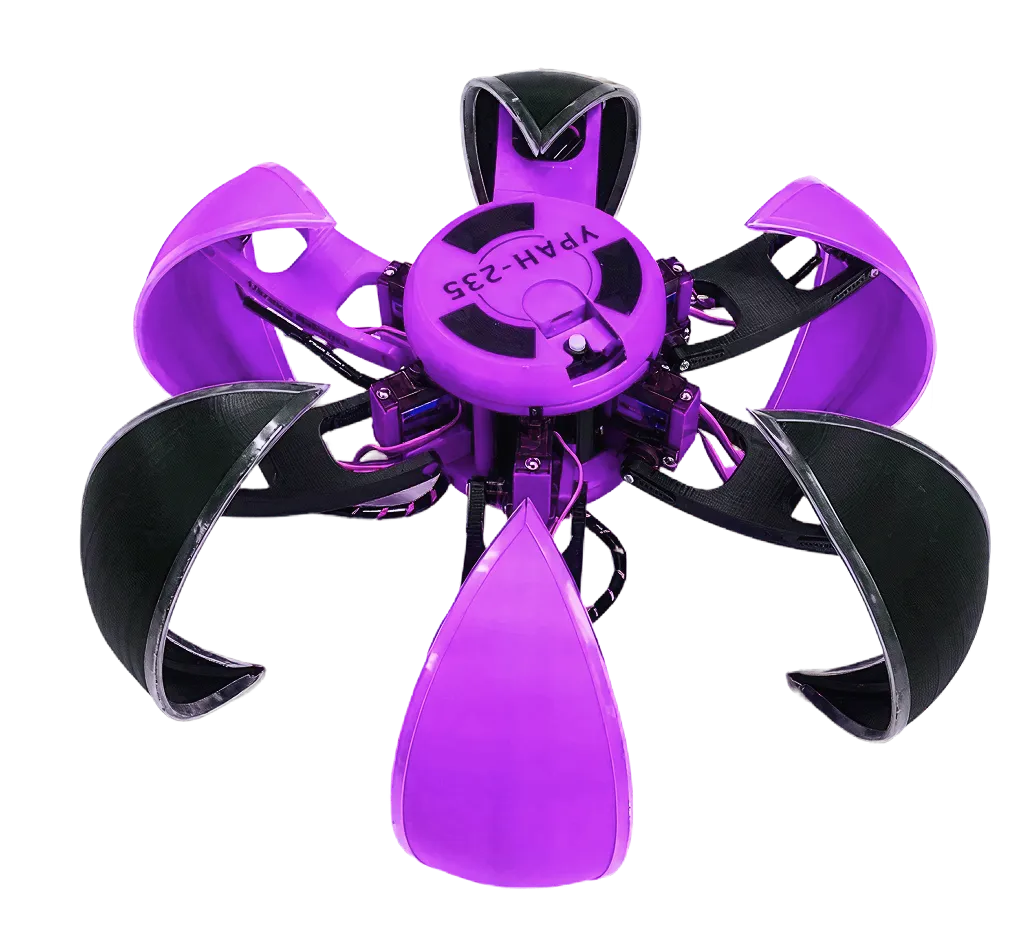
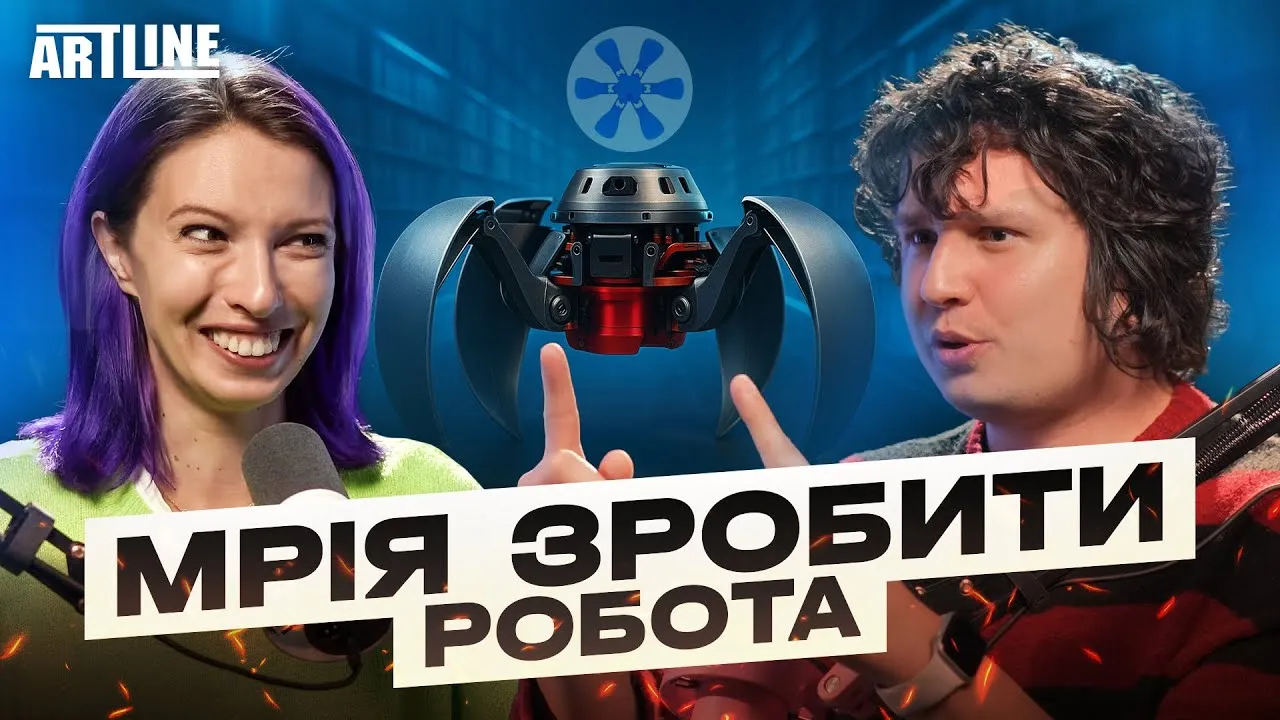
hexapodKulya

a modular STEM structure

fully 3D-printed

created for a hands-on introduction to robotics

Well suited for STEM education, school and university labs, makerspaces, and project-based learning
Free STL files
for 3D printing
Assembly
video instructions
Python
source code
Electronics list
and recommendations

Our history

From idea to
roboticists movement

2021 {Idea}

01 / 05
The idea of creating our own robot emerged from science fiction and dreams of the future. We had a 3D printer, a team, and the desire to try. We started with initial concepts, sketches, and technical assumptions, experimenting with form. At that time, we didn’t yet know what we would call our robot, didn’t use terms like biomimicry, and had no idea how much knowledge and time this journey would require.

2022 {Prototype}

02 / 05
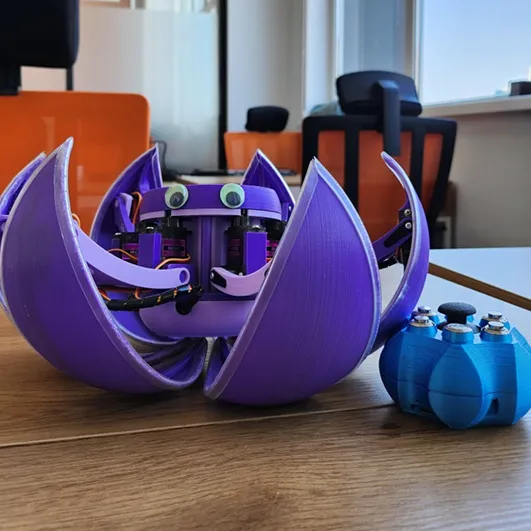
On January 31, 2022, we assembled our first physical prototype. It had a rounded shape and became the starting point for the further development of KULYA. At that time, the robot did not yet have autonomous movement. This was also when we discovered "insects"—principles of movement found in living organisms that later became the basis for KULYA’s biomimetic motion.

2023 {Company}

03 / 05
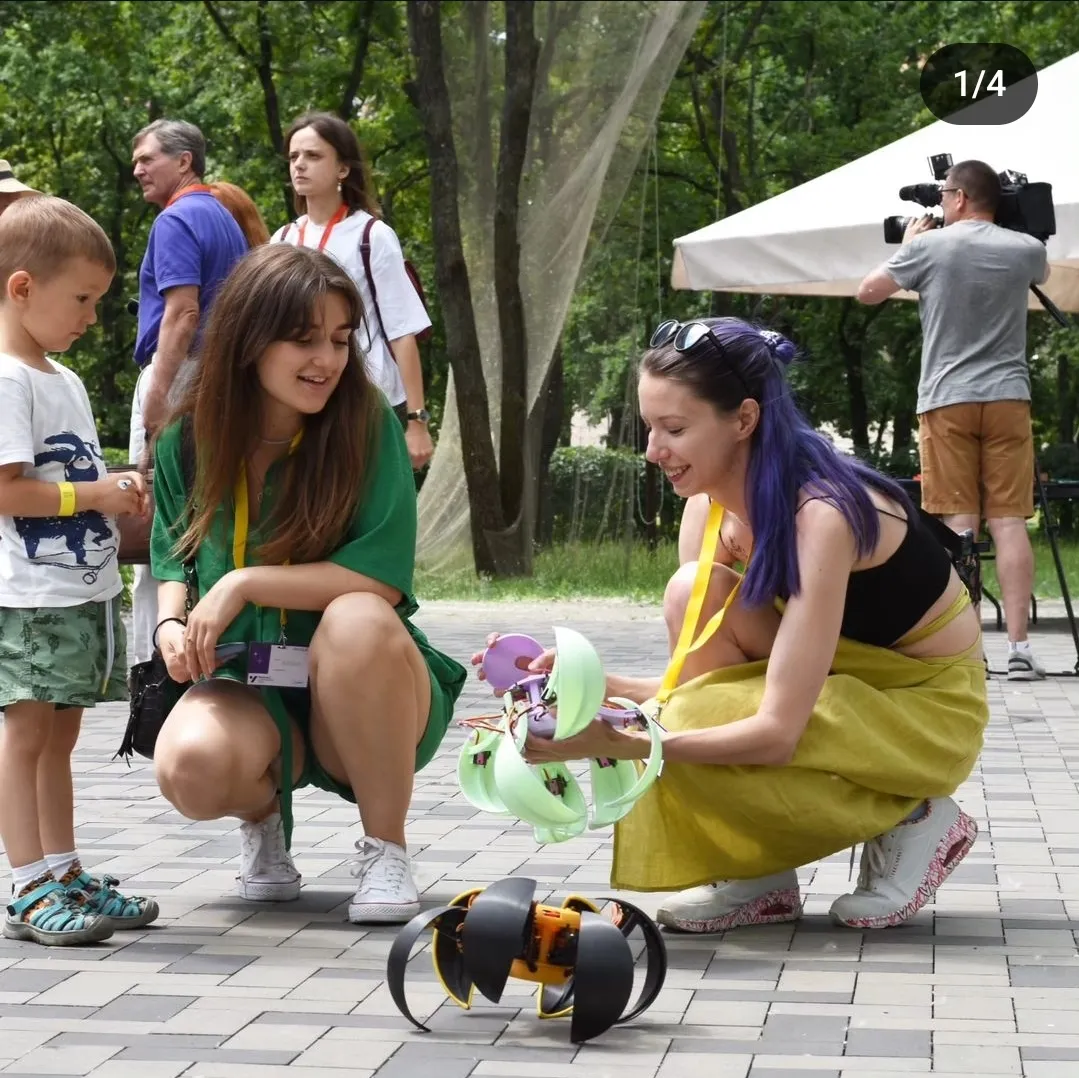
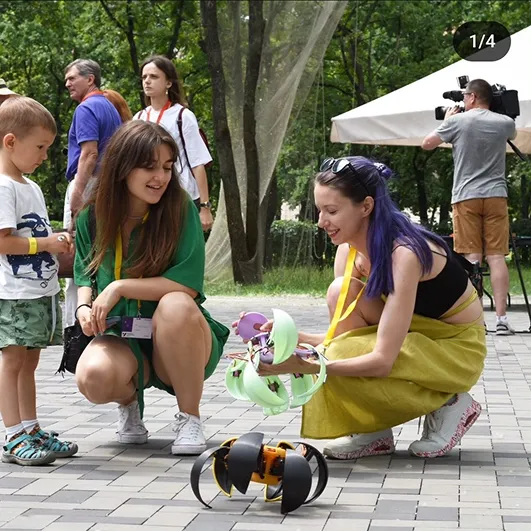
This year, we showed KULYA to the world for the first time — initially among friends and acquaintances, and later at our first public events. We tested the robot’s durability with children, evaluatede ase of control and accessibility with adults, and explored the limits of what KULYA could become. This was also the year when the UkraineRobotics company was founded, and a patent was granted.

2024 {Platform}

04 / 05
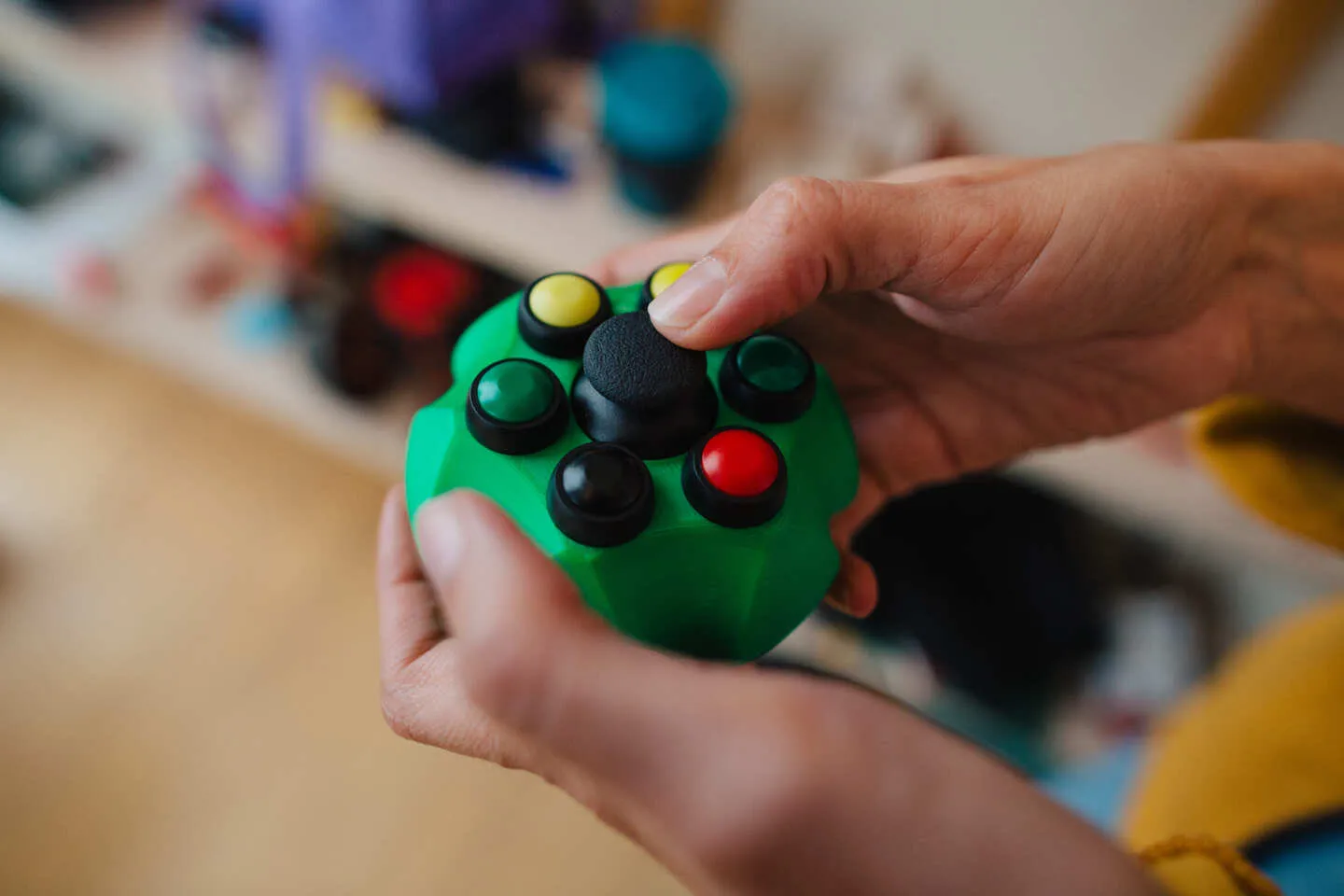
KULYA moved beyond being a standalone prototype and began to take shape as aplatform. We bring structure to the engineering solutions, develop a DIY approach, and define educational use scenarios. A clear understanding of who KULYA is for and why it exists emerges. At the same time, the brand grows, the first systemic partnerships take form, and the project gradually evolves into an open engineering and educational ecosystem.

The project is featured in the IP & Innovation Guide, prepared by the Ukrainian National Office for Intellectual Property and Innovations in cooperation with the Technology and Innovation Support Center (TISC UANIPIO), as a documented engineering and educational outcome of the UkraineRobotics team.

2025 {World}

05 / 05
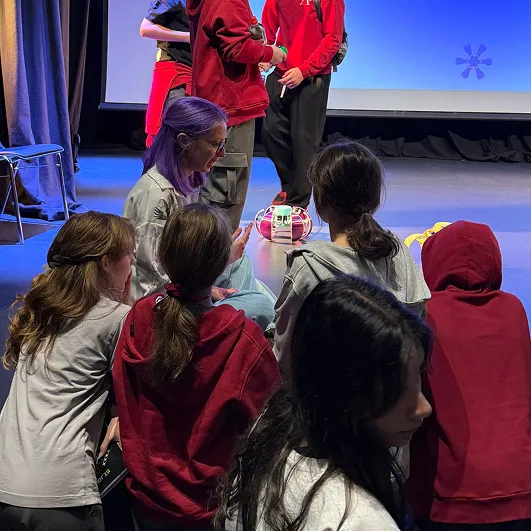
KULYA moves beyond the workshop together with the team. This is followed by the Impulse art installation within UN Women Ukraine and the Serendipitous Events program, which helps define KULYA’s direction at the intersection of engineering, education, art, and culture (STEAM).

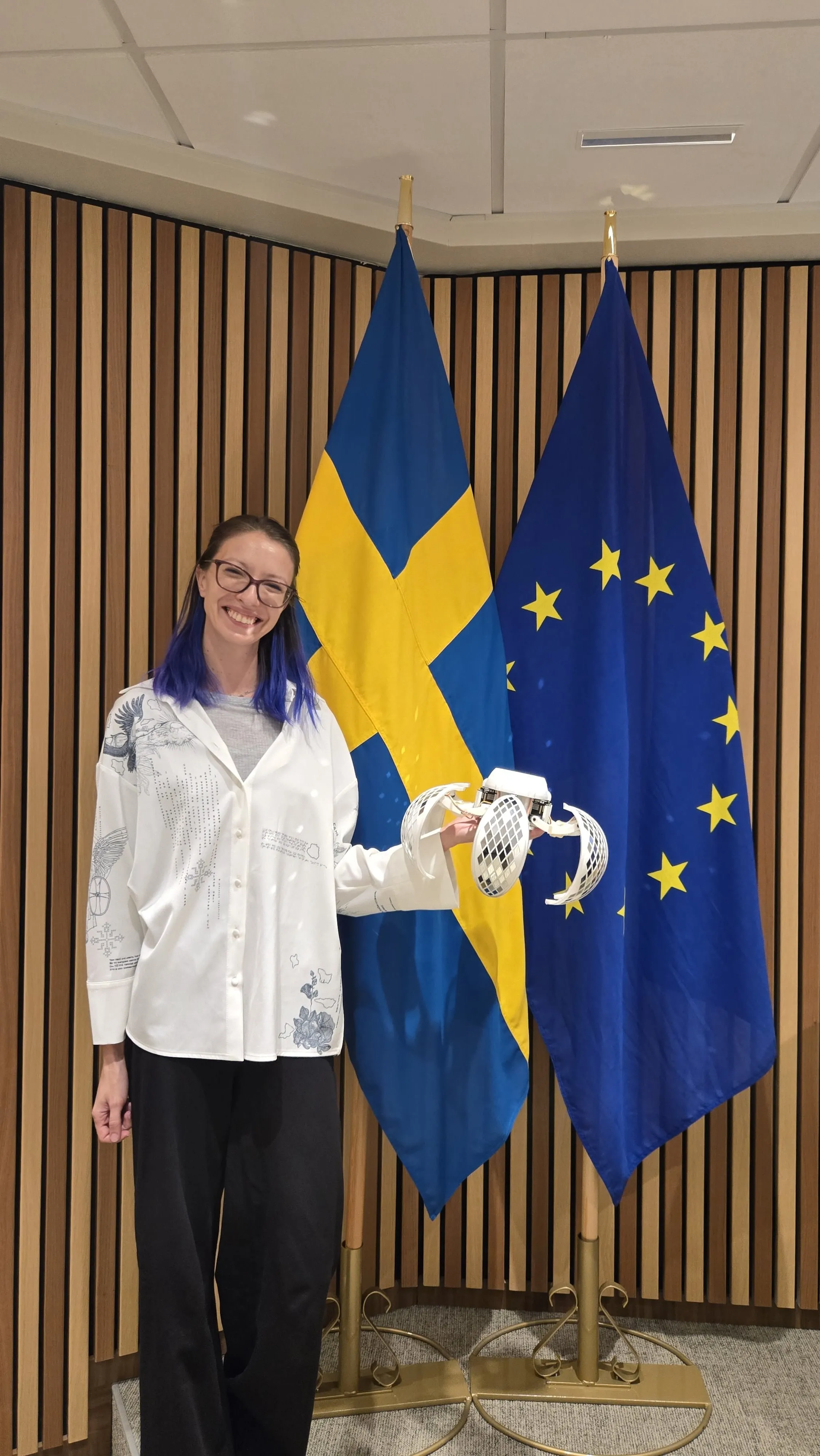
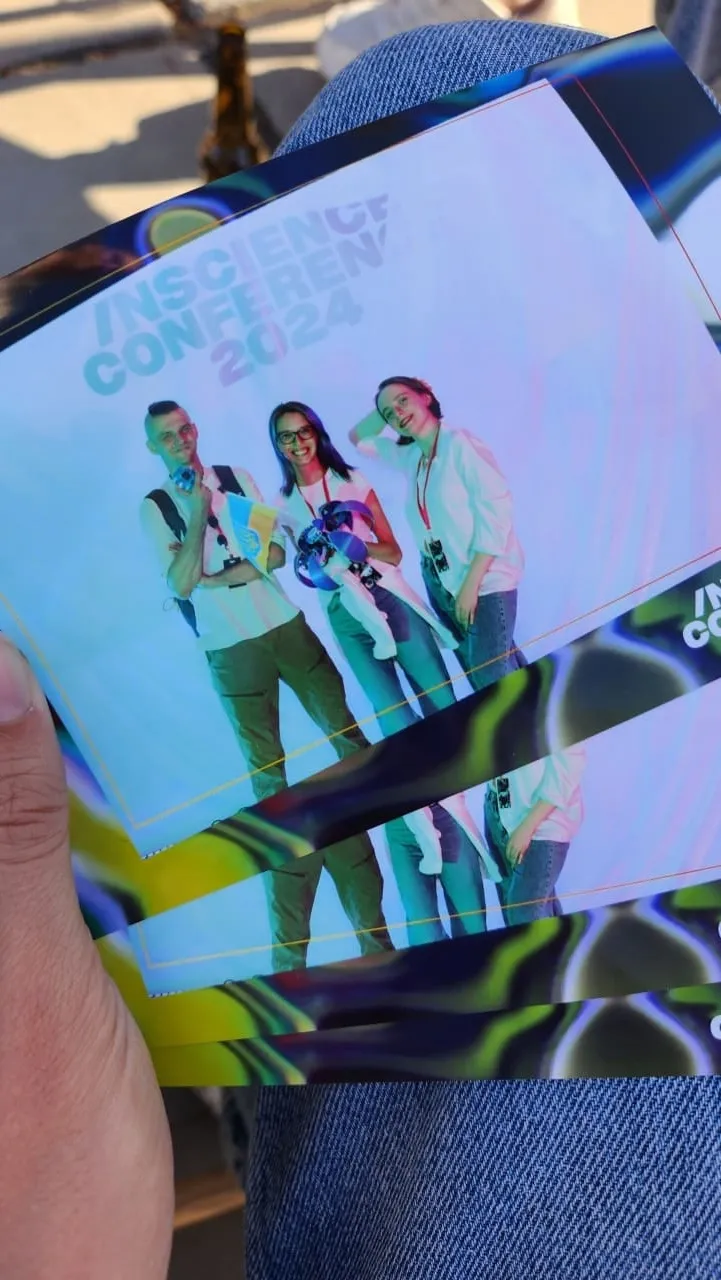
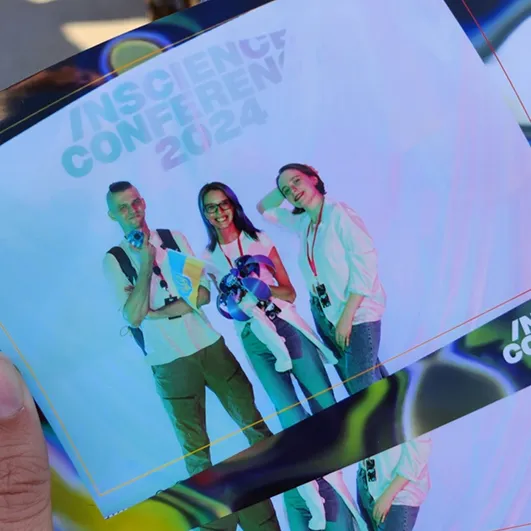
The project receives angel investment support, enabling KULYA to be presented in an international context at events in Brussels (including EU for Youth Day), Boston, and Kyiv at the Inscience Conference. In parallel, partnerships take shape, the website is launched, and the open-source DIY KULYA 4.0 becomes a reality, along with the first educational institutions integrating KULYA into their STEAM learning programs.

our history

From idea to
roboticists movement
{swipe to left}

2021 {Idea}

01 / 05
The idea of creating our own robot emerged from science fiction and dreams of the future. We had a 3D printer, a team, and the desire to try. We started with initial concepts, sketches, and technical assumptions, experimenting with form. At that time, we didn’t yet know what we would call our robot, didn’t use terms like biomimicry, and had no idea how much knowledge and time this journey would require.

2022 {Prototype}

02 / 05
On January 31, 2022, we assembled our first physical prototype. It had a rounded shape and became the starting point for the further development of KULYA. At that time, the robot did not yet have autonomous movement. This was also when we discovered "insects"—principles of movement found in living organisms that later became the basis for KULYA’s biomimetic motion.

2023 {Company}

03 / 05
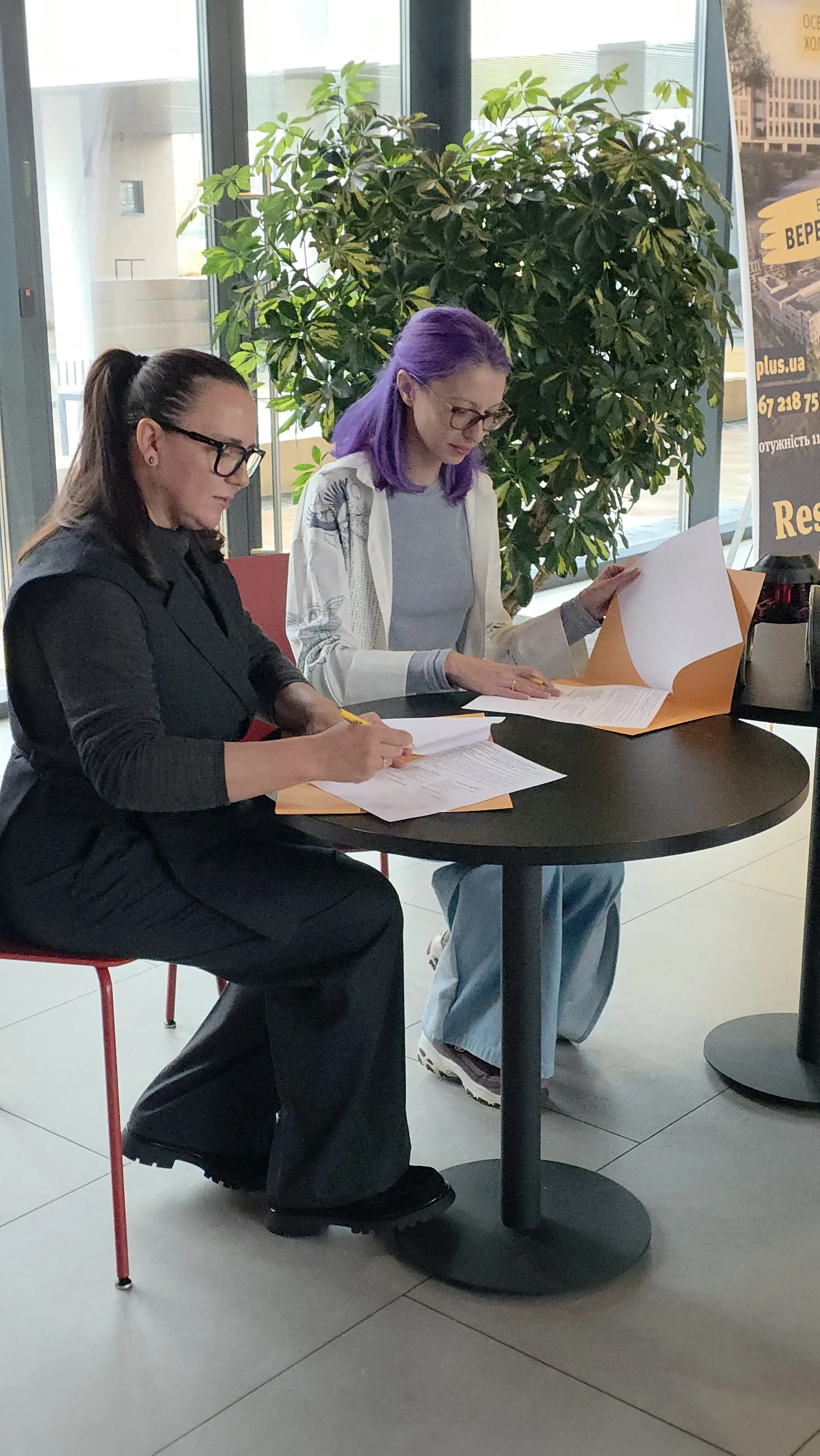
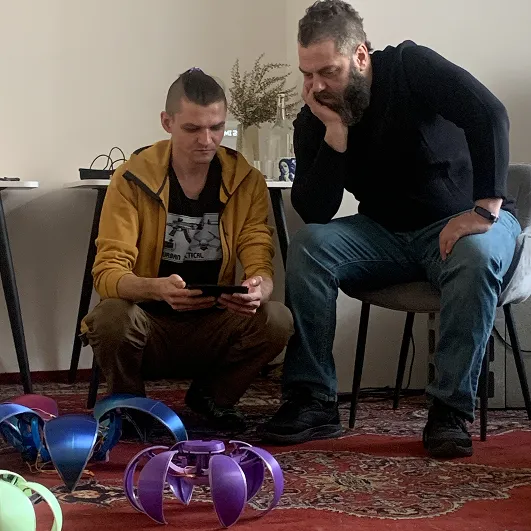
This year, we showed KULYA to the world for the first time — initially among friends and acquaintances, and later at our first public events. We tested the robot’s durability with children, evaluated ease of control and accessibility with adults, and explored the limits of what KULYA could become. This was also the year when the UkraineRobotics company was founded, and a patent was granted.

2024 {Platform}

04 / 05
KULYA moved beyond being a standalone prototype and began to take shape as a platform. We bring structure to the engineering solutions, develop a DIY approach, and define educational use scenarios. A clear understanding of who KULYA is for and why it exists emerges. At the same time, the brand grows, the first systemic partnerships take form, and the project gradually evolves into an open engineering and educational ecosystem.

The project is featured in the IP & Innovation Guide, prepared by the Ukrainian National Office for Intellectual Property and Innovations in cooperation with the Technology and Innovation Support Center (TISC UANIPIO), as a documented engineering and educational outcome of the UkraineRobotics team.

2025 {World}

05 / 05
KULYA moves beyond the workshop together with the team. This is followed by the Impulse art installation within UN Women Ukraine and the Serendipitous Events program, which helps define KULYA’s direction at the intersection of engineering, education, art, and culture (STEAM).

The project receives angel investment support, enabling KULYA to be presented in an international context at events in Brussels (including EU for Youth Day), Boston, and Kyiv at the Inscience Conference. In parallel, partnerships take shape, the website is launched, and the open-source DIY KULYA 4.0 becomes a reality, along with the first educational institutions integrating KULYA into their STEAM learning programs.
ukrainerobotics
команда
ukrainerobotics
команда

Olha zota

CEO UkraineRobotics
STEM ambassador and author of the idea of the educational robot KULYA

Dmytro zota

CTO UkraineRobotics
Engineer-inventor, author of mechanics and algorithms of KULYA movement

our partners

Хочеш долучитися або стати партнером?

Want to join us or became a partner?

Fill out a form

we are open to projects, engineering collaborations and events.
Tetiana
Manager, Ukrainerobotics
By submitting this form, you confirm that you have read and agree to our Privacy policy
Дякуємо! запит успішно надіслано.
Ми зв’яжемося з тобою впродовж двох годин.
Oops! Something went wrong while submitting the form.